Polar Light
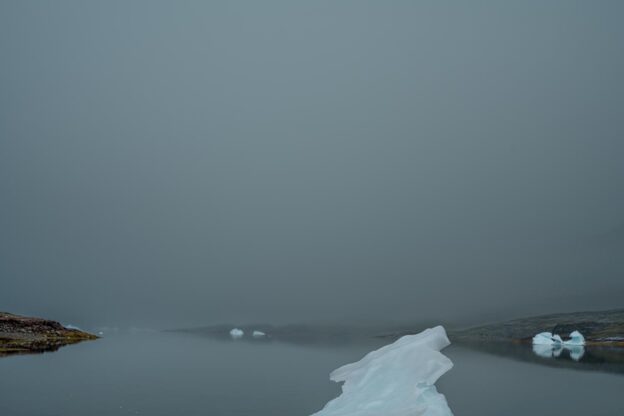
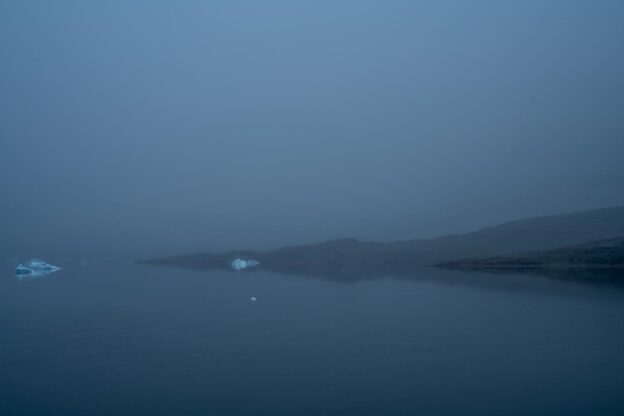
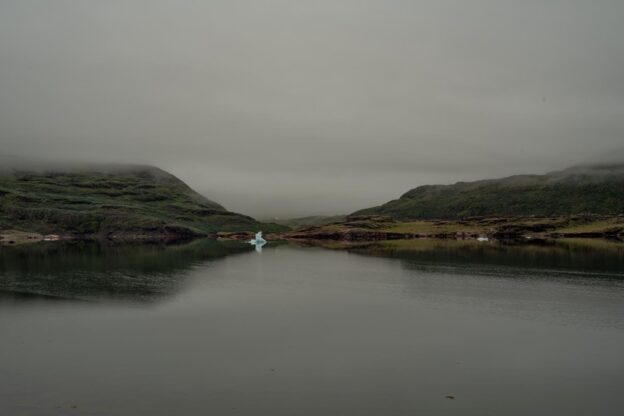
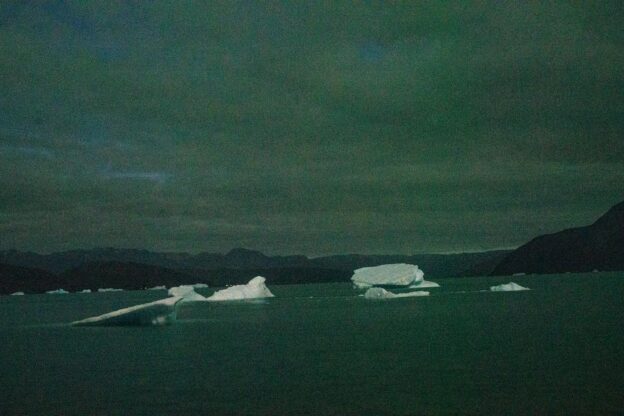
Steve Giovinco is a New York-based photographer and a Yale MFA graduate. His night photographs at the edge of inhabited places trace evidence of epic but subtle change. Informed by the environment, history, and culture, his most recent work documents the extremely remote arctic Greenland with the goal of visualizing transformation since climate-related statistics can be difficult to grasp. His work is held in numerous public collections, including the Brooklyn Museum, the Museum of Fine Arts, Houston, and the California Museum of Photography.
Project Statement
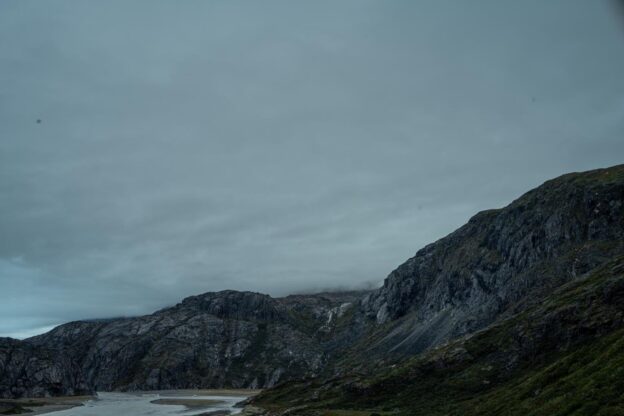
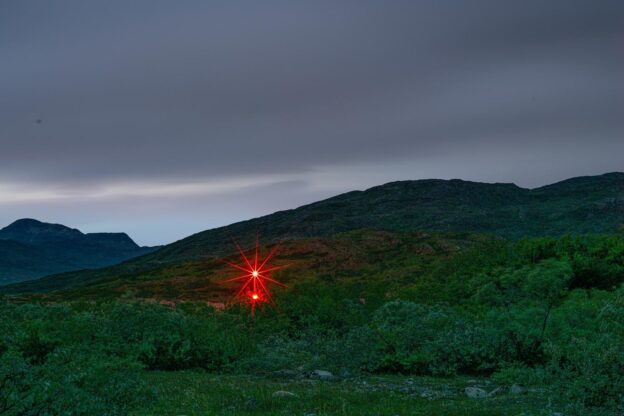
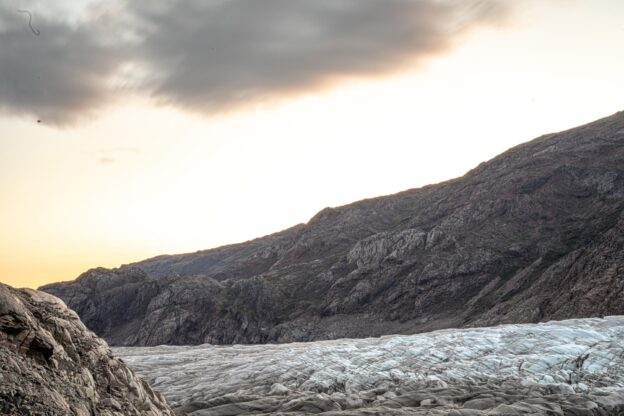
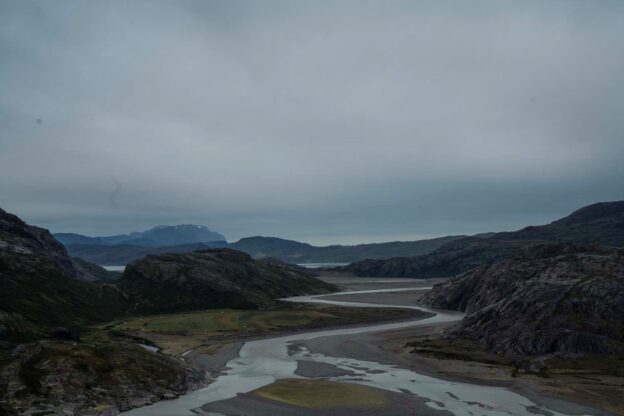
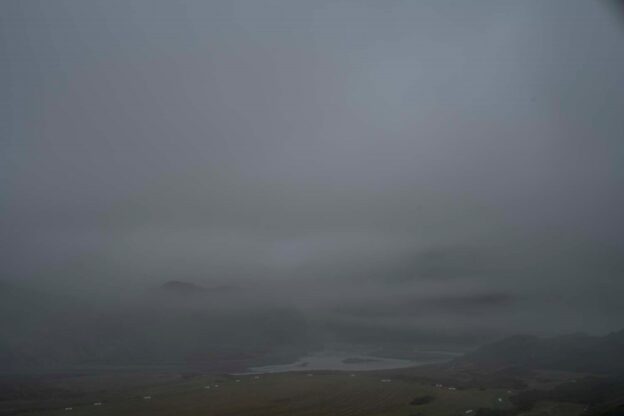
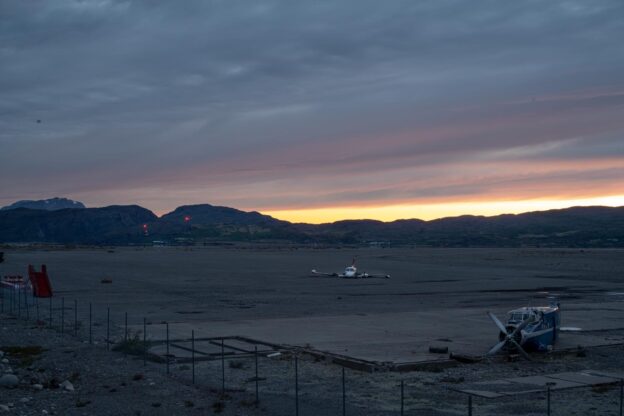
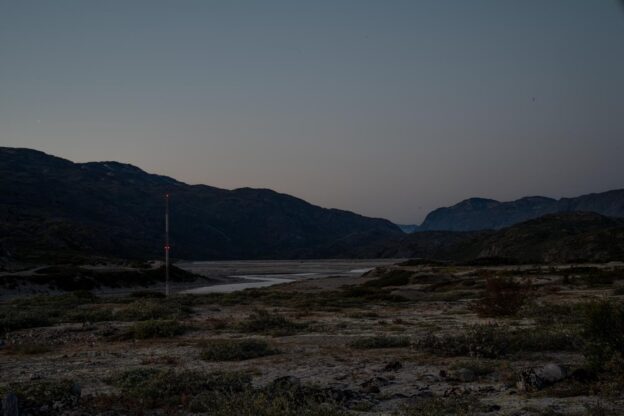
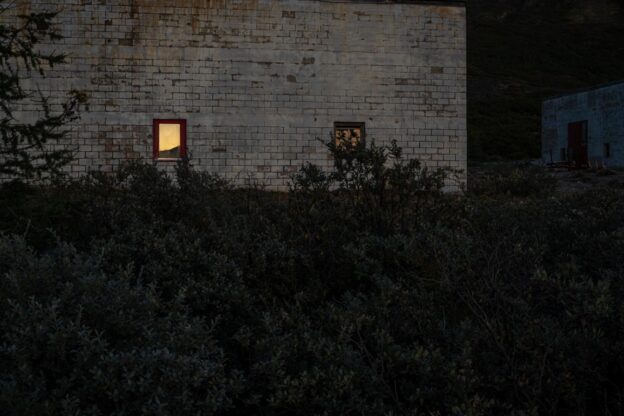
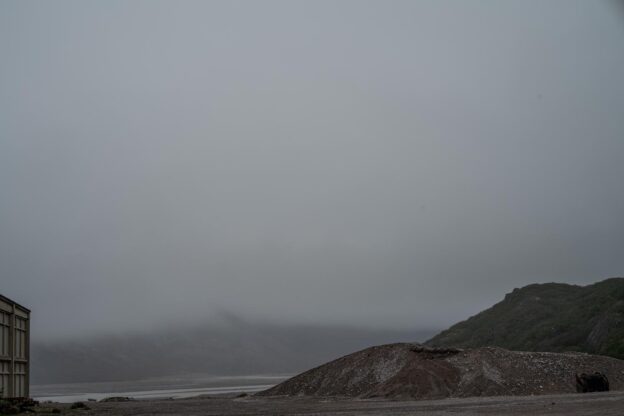
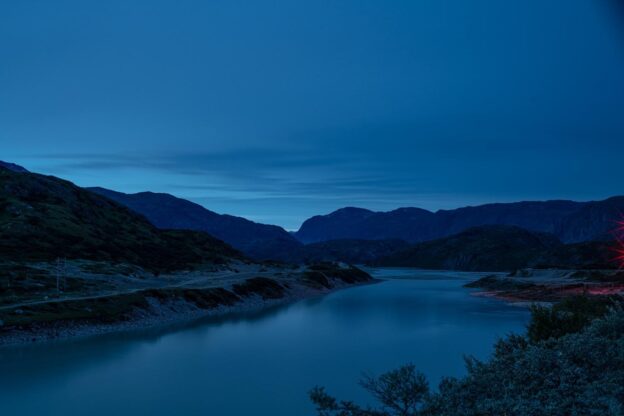
Trace and Habituation The work focuses on a hidden world where monumental processes of glacial collapse intersect with subtle, persistent traces of human activity often imperceptible to the naked eye. In landscapes like dead glaciers or the abandoned Bluie West One airfield, the camera captures the distant glow of remote settlements and the stark forms of abandoned structures—illuminating a land caught between ancient ice and modern intrusion. These “human traces” of the Anthropocene serve as a dramatic microcosm of a planet in crisis.
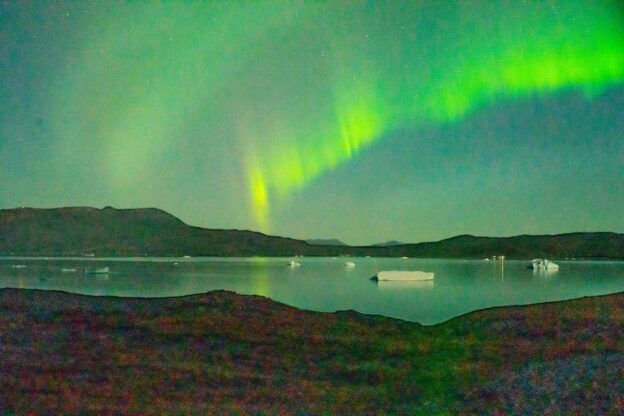
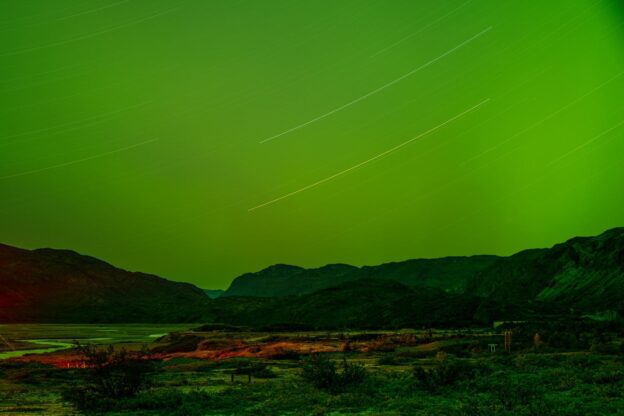
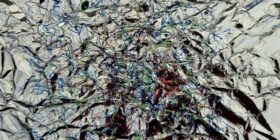
The Polar Night as Metaphor The methodology involves making images in complete darkness with exposures ranging from one to eight hours, illuminated only by moonlight or the Aurora Borealis. Working in near-total darkness is a meditative and sometimes terrifying process that requires “feeling” the image and intuitively framing it, as it is impossible to see through the viewfinder. In this context, the dark night serves as a powerful metaphor for unseen and irreversible changes—a “realm of the dead” where the ice does not appear frozen, but as a violent blur of motion recording its own disappearance.
Political and Geopolitical Spotlight The urgency of this documentation is underscored by the current geopolitical climate. As rapid arctic ice melt opens new shipping routes and reveals fossil fuel reserves, Greenland has become a contested frontier for global powers. The churn series specifically documents sites like the Narsarsuaq Airport (historically a U.S. airbase), which faces scheduled closure in 2026—a vacuum that creates new strategic tensions. This work aims to document these landscapes before they are irrevocably altered by the industrial and military infrastructure of this new global contest.
……………………………………………….
All images copyright and courtesy of Steven Giovinco
Get the Full Experience
Read the rest of this article, and view all articles in full from just £10 for 3 months.
No comments yet.