Visceral Landscapes
Pascale Pollier’s work attempts to capture the point where art and science meld. An alchemist at heart, her work begins with observation and experimentation, and is steeped in solid scientific research and findings.
Her inspiration is drawn from observing the internal and external human body in all its diversity, life and nature in all its beauty, strength, fragility, disease, mortality, immortality and death. New technologies and philosophies, quantum physics, nanotechnology, animatronics are amongst her interest and are important in her work.
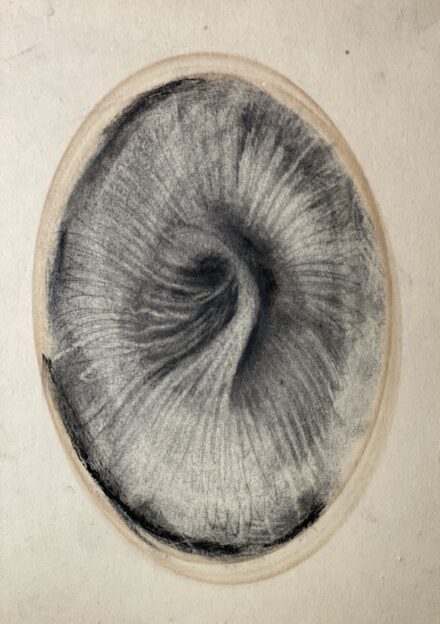
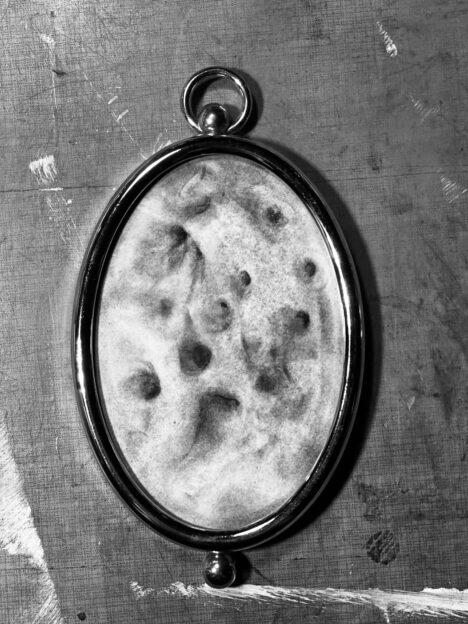
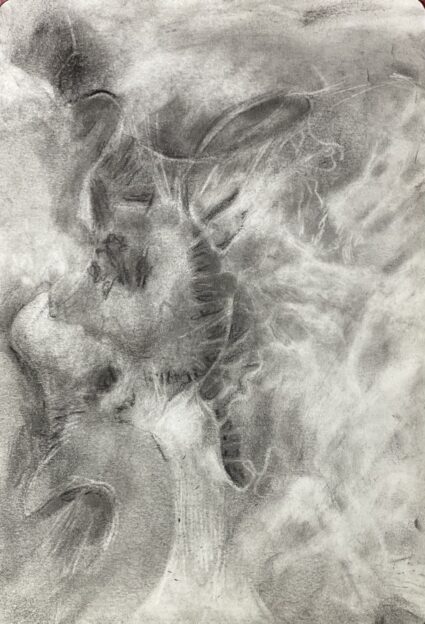
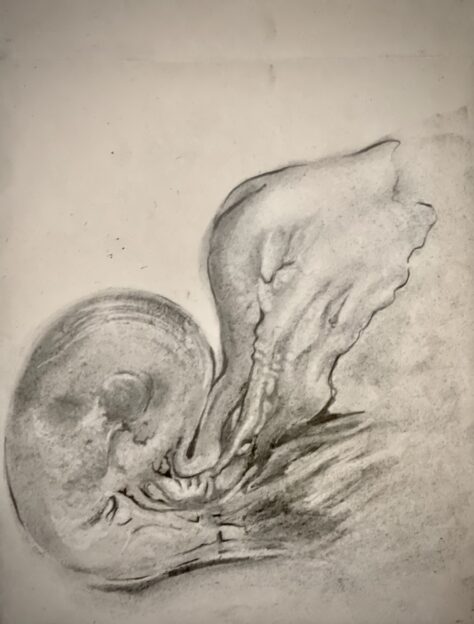
Throughout my career as a medical artist, I have been intrigued by the challenge of depicting and drawing complex textures and structures within the human body. As I navigate the world of anatomy in autopsy and dissection rooms, I am drawn to the concept of how consciousness animates the textures and structures of what I call “our internal visceral landscapes.”
Max Brödel’s development of the carbon dust technique for medical and scientific illustrations has been pivotal in this endeavour, offering a medium capable of capturing the vividness and detail characteristic of living tissue.
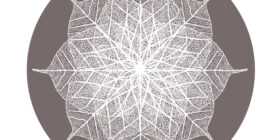
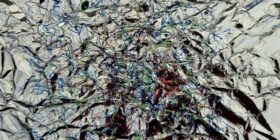
In my recent series of carbon dust drawings, titled “Visceral Landscapes,” I delve into the intricate interplay between carbon—a fundamental element found in all life on Earth and a “plain piece of paper” or canvas that will hold this dust. By harnessing the unique qualities of carbon dust, my work unveils the underlying structures and patterns that often elude the naked eye. This delicate and detailed process allows me to encapsulate the essence of the diverse textures and structures within the body that inspire me. Guided by the material itself, I let the carbon dust gradually reveal the greater depth, transparency, and the interplay between abstract elements, such as the crevices and depths within the organic fabric or the intricacies of blood vessels and nerves intertwining, or a piece of bone sitting in a fleshy, fibrous muscular texture, heartstrings tympanic membranes and retinal tissues, wet mucoussy glands, and fluid-filled cysts juxtaposed with dry bones and shiny stretched tendons and fascia. Each artwork is an attempt to imbue these hidden landscapes with the emotions they evoke, tapping into the subconscious and performing a form of Jungian shadow work. Through this exploration, the boundaries between the tangible and the intangible become blurred, encouraging viewers to contemplate the deeper connections between the senses. Deliberately evoking synaesthesia, the artworks connect sight, sound, and feelings, creating an immersive experience where one can imagine these visceral landscapes transforming into soundscapes—a soft wind blowing through deep crevices and honeycomb-like spongy bone structures, resonating and creating organic music within the body’s innermost chambers. A communication which might sound, look, smell, feel “in or out of place”, though still represents fundamental elements of recognition. This fascination underscores the profound interconnectedness between the physical and the metaphysical. I invite viewers to appreciate the complex beauty of the human body and to reflect on the transformative power of carbon dust as a medium as much as I Challenge the viewer to explore the boundaries between the tangible and the intangible. In essence, “Visceral Landscapes” is a celebration of the human body and life’s complex inner beauty. It can be seen as an exploration of a “would be / could be” evolution, and a testament to the power of art to illuminate the interconnectedness of our existence to the plasticity of biological adaptation to its environment.
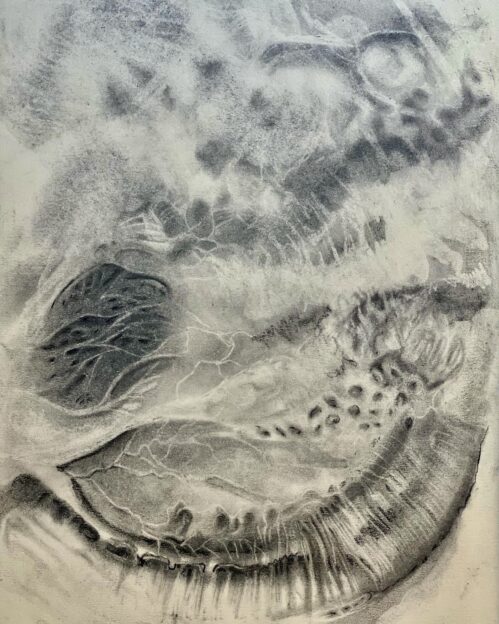
Visceral Landscapes
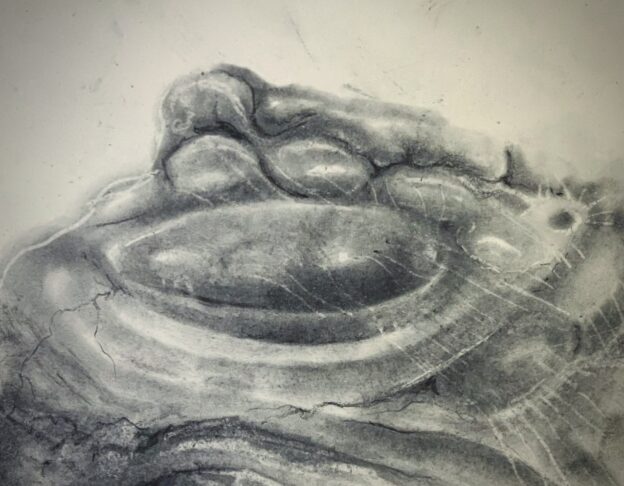
Visceral Landscapes
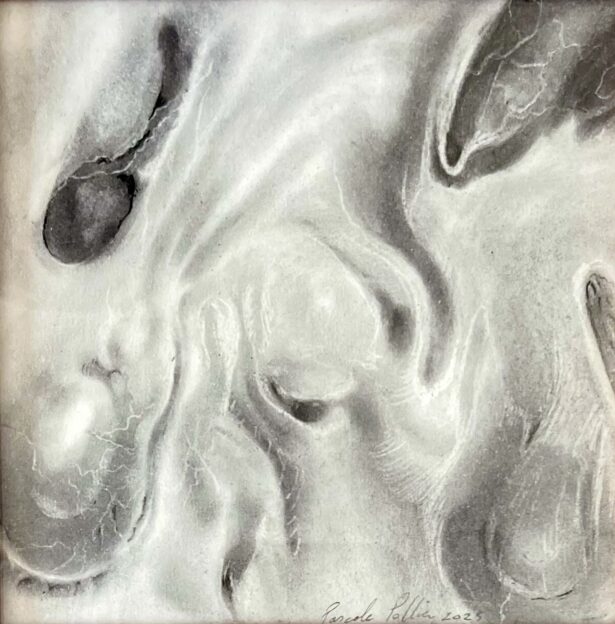
Visceral Landscapes
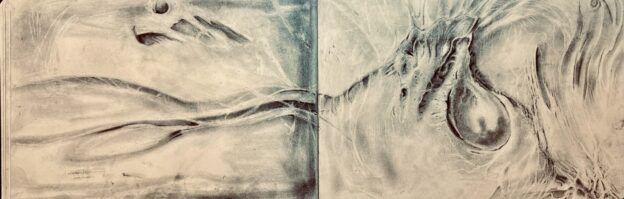
Visceral Landscapes
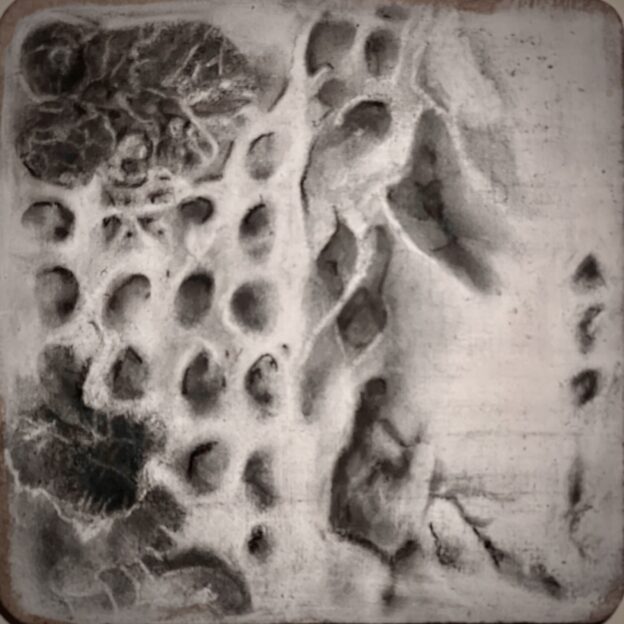
Visceral Landscapes
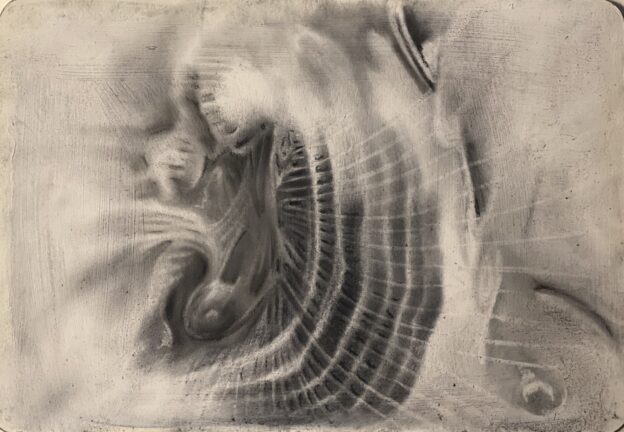
Visceral Landscapes
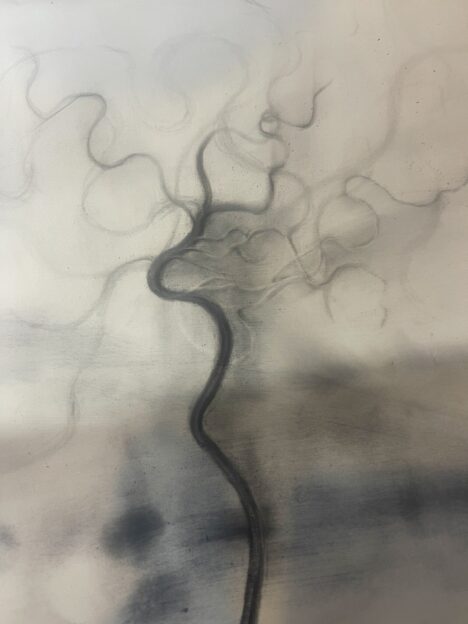
Visceral Landscapes
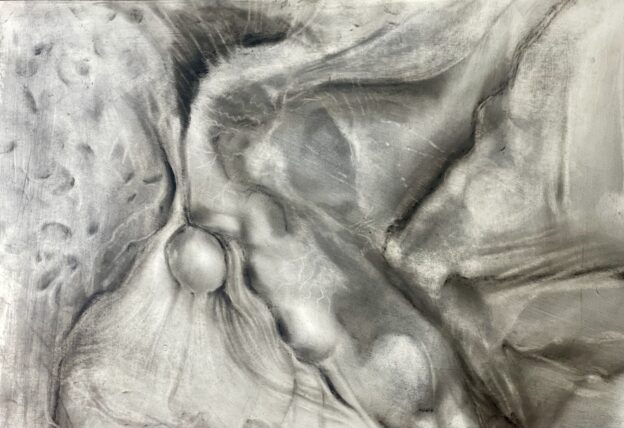
Visceral Landscapes
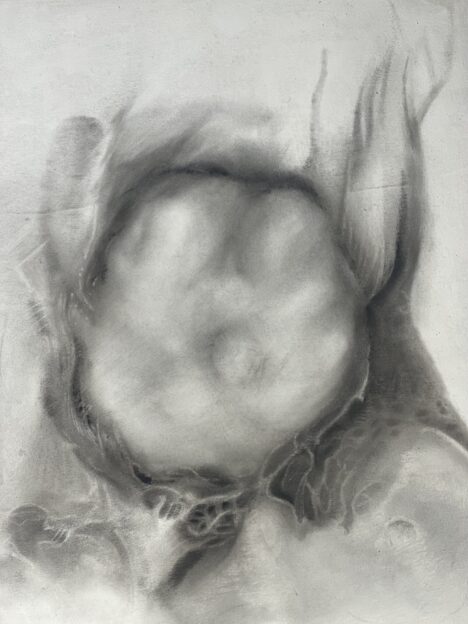
Visceral Landscapes
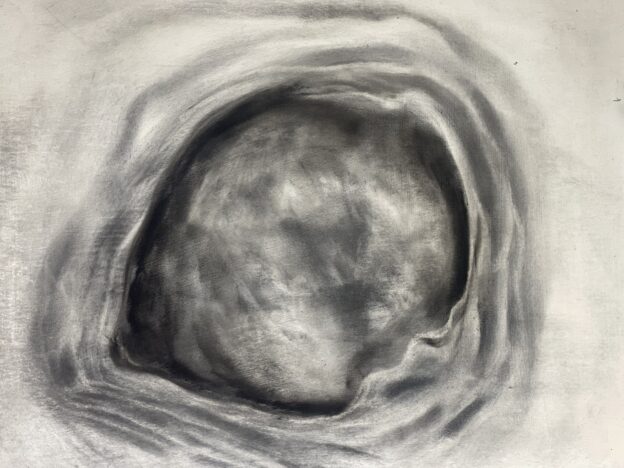
Visceral Landscapes
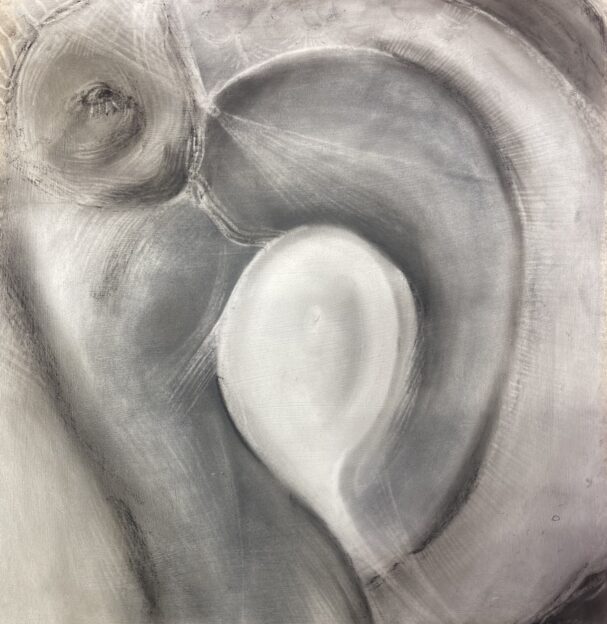
Visceral Landscapes
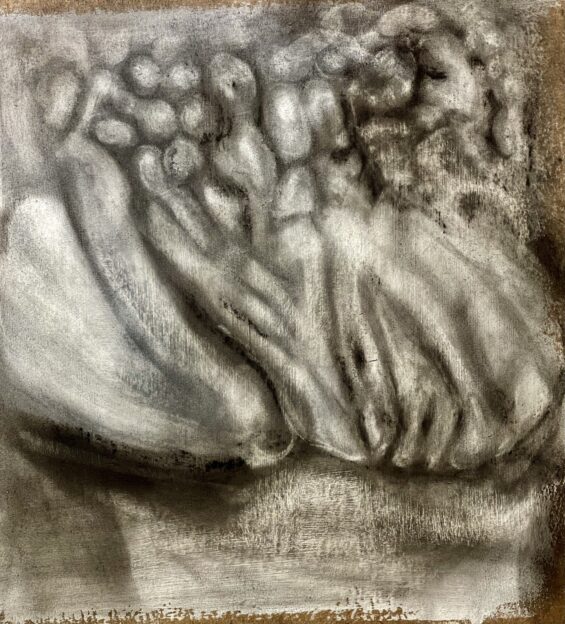
Visceral Landscapes
Visceral Landscapes
Visceral Landscapes
Visceral Landscapes
Visceral Landscapes
……………………………………………….
http://www.artem-medicalis.com/
All images copyright and courtesy of Pascale Pollier
Get the Full Experience
Read the rest of this article, and view all articles in full from just £10 for 3 months.
No comments yet.